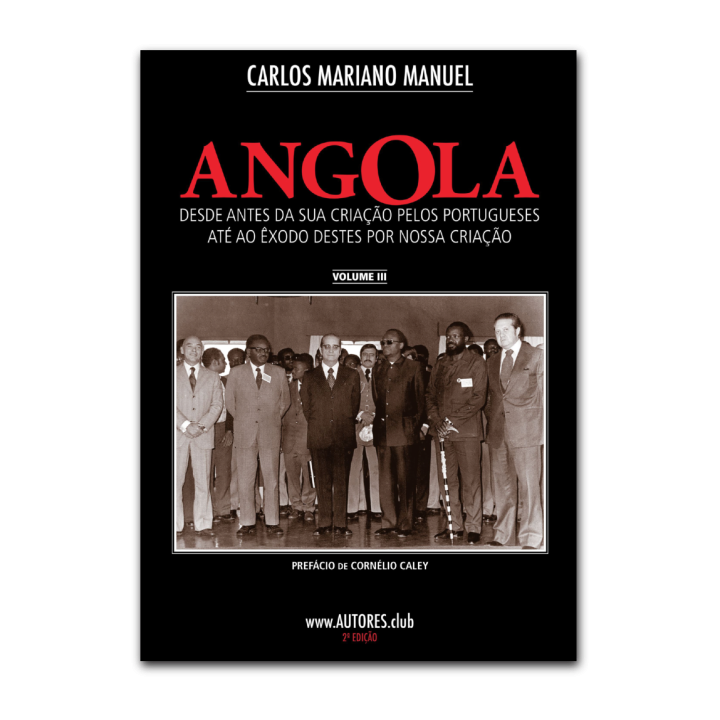
O terceiro volume aborda o contexto internacional desfavorável aos colonialismos após a Segunda Guerra Mundial e os efeitos da Conferência de Berlim sobre a África nas diásporas africanas. Explora a mobilização crescente no mundo contra o colonialismo português, a oposição dos círculos progressistas portugueses ao colonialismo e as organizações associativas e religiosas em Angola que precederam as sublevações contra o colonialismo.
Também são discutidos os acontecimentos históricos conhecidos como "Processo dos 50" e as jornadas patrióticas que abalaram o colonialismo em Angola no início de 1961. O livro detalha o nacionalismo angolano, desde a expressão regional até se tornar uma força nacional representada pela União Nacional para a Independência Total de Angola (UNITA) e pelo Movimento Popular de Libertação de Angola (MPLA).
A relação entre as organizações nacionalistas angolanas, as lutas pelo poder interno, as cisões e as relações com organizações estrangeiras são abordadas. O livro também explora a competição pela hegemonia política e militar entre os movimentos de libertação, o influxo de forças estrangeiras em Angola e a batalha de Quifangondo. Por fim, é discutida a proclamação da independência e o êxodo dos portugueses devido à ascensão dos angolanos.
ÍNDICE
- VOLUME III
Prefácio III, por Cornélio Caley
CAPÍTULO XIX
O desfavorável contexto internacional pós-Segunda Guerra Mundial à manutenção dos colonialismos
Os efeitos da Conferência de Berlim sobre África nas diásporas africanas
Mobilização crescente no Mundo contra o colonialismo Português
Mobilização colectiva das nações e povos Africanos contra o colonialismo em geral e contra o Português em particular
Oposição de círculos progressistas portugueses contra o colonialismo praticado pelas autoridades do seu país
CAPÍTULO XX
Organizações associativas de Angola, na sua maioria reivindicativas, e religiosas com doutrina de libertação, que antecederam à eclosão das sublevações e insurreições contra o colonialismo
Liga Angolana
Grémio Africano
Clube Atlético de Luanda
Gémio paz e trabalho
Sociedade cultural de Angola
Liga Nacional Africana
Anangola
Associação Africana do Sul de Angola
As igrejas protestantes foram também um bastião pacífico para a extinção do colonialismo
CAPÍTULO XXI
Os acontecimentos históricos em conjunto designados por “Processo dos 50”
Sobre a natureza e designação do “Processo”
O aparentemente fortuito incidente que despolotou o célebre “Processo dos 50”
A segunda vaga de repressão contra os nacionalistas envolvidos no “Processo”
A evocação do heroísmo mobilizador do Rei Muana Malaza ou Nvita Nkanga ou D. António I do Congo, herói-mártir da batalha de Ambuíla, pelo Movimento pela Independência de Angola (MIA)
CAPÍTULO XXII
As jornadas patrióticas que abalaram o colonialismo em Angola ocorridas no primeiro trimestre de 1961
Sublevação e insurreição na Baixa de Kassange
Juramento obscurantista e sincrético dos insurgidos
Acções militares dos nativos e dos Portugueses na Baixa de Kassange
Os acontecimentos do dia 4 (e subsequentes) de Fevereiro de 1961 em Luanda
Superstição e obscurantismo instrumentalizados para a mobilização dos envolvidos
15 de Março de 1961: a hecatombe do regime colonial
Sucessão das acções militares dos insurgidos e realizadas apenas no Uige
Apreciação dos acontecimentos em Angola pelo Conselho de Segurança da ONU
Segunda reunião do Conselho de Segurança da ONU sobre a situação em Angola
CAPÍTULO XXIII
O nacionalismo Angolano com expressão inicial regional: o caso da UPNA, depois com expressão nacional de UPA e finalmente FNLA
Dinâmicas política, diplomática e militar gerais no contexto de luta pela independência
As razões da origem multicêntrica e assíncrona das organizações nacionalistas angolanas
CAPÍTULO XXIV
A Frente Nacional de Libertação de Angola (FNLA)
Os constrangimentos políticos iniciais da FNLA, baseados na alienação em 1885 da região meridional do fragmentado reino e império Congo a Portugal por via negociada com a Bélgica e a França, a sua consequente agregação à primitiva colónia de Angola e criação do distrito do Congo Português com capital em Cabinda
A relação entre a origem do nacionalismo Angolano e a competição entre as confissões religiosas estabelecidas no Norte de Angola
Expedição militar Portuguesa para a Damba e submissão da respectiva população nativa
O papel da sociedade missionária baptista (com as iniciais em inglês BMS) na ontologia do nacionalismo Angolano no Norte de Angola
A relevância da missão dos protestantes baptistas na ontologia do nacionalismo no Norte de Angola
As atribulações nas sucessões no trono do Congo na primeira metade do século XX e a origem do nacionalismo Angolano no Norte de Angola
Antecedentes imediatos à fundação da UPNA
A tormentosa entrada do líder da UPA-FNLA na história de Angola
A geopolítica da África Central e o etnonacionalismo em contramão às aspirações da UPA
A relação entre os motins ocorridos em 1960 no ex-Congo Leopoldville e a eclosão das insurreições em Angola em 1961
Ainda a erupção apocalíptica e insurreicional no Norte de Angola
Da formação da Frente Nacional de Libertação de Angola (FNLA) à constituição do Governo Revolucionário de Angola no Exílio (GRAE)
O lado obscuro e habitual da política: ambição pelo poder, intrigas e dissensões notáveis no seio da FNLA e GRAE
O motim no seio da FNLA ocorrido em Luvaka no ano de 1966
Os múltiplos fuzilamentos punitivos de militares rebelados e ocorridos na base militar de Kinkuzu em 1972
As profundas e negativas consequências internas registados no seio da FNLA e consequentes aos graves incidentes ocorridos na base militar de Kinkuzu em 1972
Ampliação da luta de guerrilha tutelada pela FNLA/GRAE
Assistência social dispensada pelo GRAE
Outras incidências da actividade diplomática do GRAE
Identidade ideológica da FNLA
CAPÍTULO XXV
O nacionalismo angolano congregado no seio do Movimento Popular de Libertação de Angola (MPLA)
Sobre a génese da designação da organização política
A formação no estrangeiro de plataformas políticas aglutinadoras das organizações independentistas dos territórios sob colonização de Portugal
A primeira grave e histórica cisão no seio do MPLA
A formação da Frente Democrática de Libertação de Angola (FDLA) e consequente autodemissão do primeiro (ou segundo, dependendo da perspectiva objecto ainda de controvérsia) presidente da organização
A ofensiva diplomática do MPLA contra a FNLA-GRAE por virtude do reconhecimento deste em 1963 pelo Comité de Libertação de África da OUA (Comité dos 9)
O governo triunfante por golpe de estado e liderado por Massamba Debat no Congo Brazaville converteu o país em território seguro para o funcionamento das organizações políticas africanas com orientação política pró-socialista e pró-comunista
A relevância do envolvimento de Cuba em África na consolidação da luta anti-colonial em Angola tutelada pelo MPLA
O conflito colonial bateu de forma trágica a porta do governador geral em funções em Angola
Em Cuba há um adágio popular que diz: el que no tiene de Congo tiene de carabali
Primeira visita em 1966 do líder do MPLA, Dr. António Agostinho Neto, e do responsável militar da organização, José Mendes de Carvalho, à República Socialista de Cuba, foi determinante para o relançamento da luta auspiciada pelo MPLA
O conflito colonial foi também fratricida e de procuração: a tragédia do desaparecimento físico no Congo Kinshasa de cinco mulheres filiadas no mpla e integradas no esquadrão Camy, que procuravam internalizar-se em Angola
A extensão da guerrilha tutelada pelo MPLA à região Leste do País
Sobre as manifestações de tribalismo e racismo no seio da organização
Contestação tumultuosa dos membros do MPLA integrados nas suas estruturas das I e II regiões contra a liderança superior da organização em 1972
O acordo de unidade e cooperação celebrado em 13 de Dezembro de 1972 entre a Frente Nacional de Libertação de Angola (FNLA) e o Movimento Popular de Libertação de Angola (MPLA)
O MPLA dilacerado com duas dissenções e rebeliões internas a partir de 1973: os casos da revolta do leste e a dos militantes em revolta activa
O inconclusivo I congresso do MPLA ocorrido em 1974 em Lusaka/Zâmbia
CAPÍTULO XXVI
O nacionalismo Angolano de origem no Centro e Sul do País: Desde o associativismo religioso e regional à Fundação da União Nacional para a Independência Total de Angola (UNITA)
A resistência das populações ainda manifesta sob a forma de esforços efémeros de oposição e combate ao colonialismo
O surgimento da UNITA e os seus três congressos realizados antes do fim do conflito colonial
A obscura fase da organização e insondável desígnio do seu líder
O golpe de estado de 25 de Abril de 1974 em Portugal, os seus efeitos em Angola no geral e no seio da UNITA em particular
CAPÍTULO XXVII
A “Santíssima Trindade” de Libertação de Angola: os esforços de cada uma das três organizações armadas e independentistas em consolidar-se de forma hegemónica nas suas regiões de origem e de maior apoio político, com particular ênfase nas zonas urbanas
O MPLA adianta-se em Luanda em 1974 com a criação do efémero Comité de Acção Política de Angola (CAPA)
A competição pela hegemonia política e militar entre os movimentos de Libertação
A entrada da violência para as áreas urbanas e o influxo de forças estrangeiras em angola, antes da proclamação da independência, reflectindo a componente de conflito por procuração no contexto da Guerra Fria mundial
O último momento perdido para a promoção de uma independência e uma evolução ulterior harmónicas em Angola, entre os três Movimentos de Libertação
A batalha de Quifangondo
CAPÍTULO XXVIII
A protraída e severa distócia da independência de Angola
A quase simultânea realização da batalha de Quifangondo ocorrida nos arredores de Luanda, opondo a fnla e o mpla, bem como efectivos das suas respectivas coligações militares estrangeiras, e a proclamação da independência em três cidades de Angola
Os líderes dos três Movimentos de Libertação Nacional
O êxodo dos Portugueses por criação dos Angolanos



Comentários (0)
Não é possível enviar a apreciação da sua avaliação.
Denunciar comentário
Denúncia enviada
O seu relatório não pode ser enviado