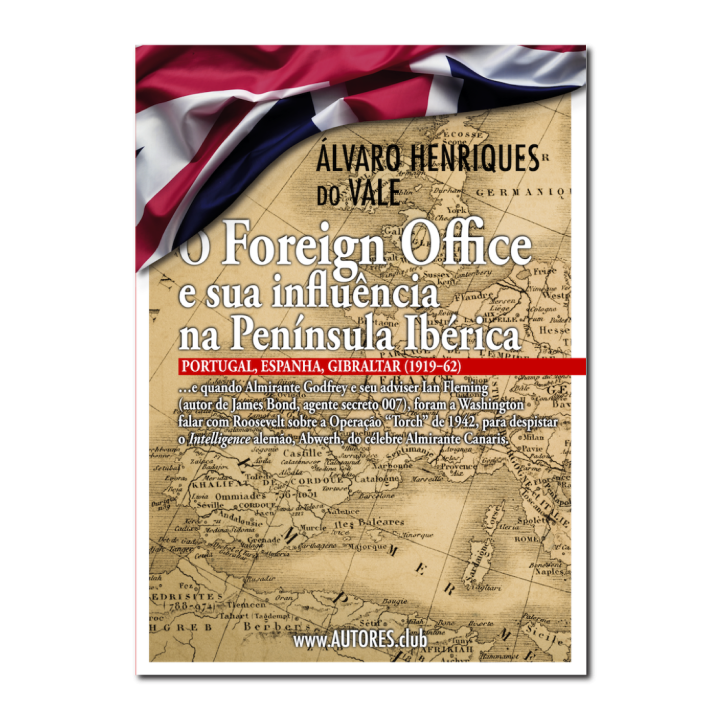
Em 1919, logo após o Armistício (Novembro de 1918), há dois factores essenciais, que por influência da Inglaterra provocam uma viragem no establishement das instituições políticas portuguesas:
1. o reforço dos poderes do Presidente da República, que passa a poder dissolver Governo e Parlamento;
2. o reatar das relações diplomáticas com a Santa Sé, interrompidas desde a implantação da República (Outubro de 1910).
No primeiro caso foi o virar de página aos constantes experimentalismos revolucionários, sendo o Presidente mera figura decorativa, em que os governos eram depostos por revoluções .
Por outro lado, a Grã-Bretanha estava interessada na nomeação de prelados católicos, bispos, nos territórios ultramarinos britânicos (futura Commonwealth) nomeação da responsabilidade do Papa (Bento XV). A Inglaterra protestante aproximava-se da Igreja Católica com a diplomacia exigível perante a grave situação da sociedade italiana em ruptura, o que levou o Intelligence britânico a criar uma rede de cem agentes secretos para defesa do Vaticano.
Portugal, ao reatar as relações com a Santa Sé, estava automaticamente a apoiar os interesses do seu velho aliado britânico. E, tudo isto fazia sentido no contexto das Relações Internacionais numa perspectiva de concórdia.
Mas terminado o conflito, a República Portuguesa confrontava-se com outro problema: uma dívida de guerra à Inglaterra no valor de 25 milhões de libras, verba enorme para a época, e que só viria a ser liquidada em 1927 já na Ditadura Militar saída da revolução do 28 de Maio (1926), que teve a bêncão do Reino Unido.
Aos britânicos, estando em Gibraltar, interessava-lhes uma Península tranquila e defender a rota marítima da India via Malta, Chipre e Canal do Suez sem constrangimentos.
Em destaque, os diplomatas portugueses Armindo de Sttau Monteiro (Londres), Pedro Theotónio Pereira (Madrid) e Sir Samuel Hoare (Madrid), este último, espécie de Secretário do Foreign Office residente, à semelhança de Armindo e Theotónio, quando Salazar assumiu as três pastas: Finanças, Defesa e Estrangeiros, uma tarefa viável graças à grande capacidade e competência daqueles dois, que foram sérias alternativas ao Chefe do Governo português!
Ainda o coronel Donovan (do Intelligence americano), advogado de origem irlandesa e colega de curso do Presidente Roosevelt, que reunia regularmente em Lisboa, Londres ou mesmo em Roma com o papa Pio XII sobre o apoio secreto aos refugiados judeus, através da rede de nunciaturas espalhadas pelo mundo. Sobre Roma, só no século XXI se soube das acções levadas a cabo por Monsenhor Carreira, reitor do Colégio Pontifício Português, para salvar dezenas de refugiados e perseguidos na capital italiana.
ÍNDICE
Nota Sobre as datas // Intróito
1. Quando a República reatou as relações com a Santa Sé (1919)
2. Península Ibérica: reduto essencial na Carreira da Índia e Extremo Oriente via Suez
2.1. Dois embaixadores anglófilos: Armindo Monteiro e Pedro Theotónio Pereira
2.1.2. A influência keynesiana e os antecedentes de Bandung
3. O matemático que fazia a diferença entre os lentes de Direito
3.1. Diplomacia lusa em linha com Foreign Office: envio de agente de ”Sua Majestade” para Salamanca
3.2. A certificação britânica sobre a diplomacia portuguesa face à situação de Espanha em 1937
3.2.1. Neutralidade ibérica essencial na geopolítica britânica
3.2.2. Inglaterra e Portugal de mãos dadas nos bastidores do Intelligence; por pouco Londres antecipava-se no reconhecimento do Governo de Burgos
3.2.3. Os reflexos da Frente Popular na América do Sul: antecedentes no Uruguai e Brasil
4. Sir Samuel Hoare: deputado, ministro... and global politician
4.1. Literatura, intelligence ou um código do Santo Graal?
4.2. O ano de todos os perigos – 1936: a Frente Popular em Espanha e rei de Inglaterra abdica para casar com Mrs. Simpson
4.2.1. A viagem a Angola de Eduardo VIII
4.2.2. Rei faz acordo de cavalheiros com a British Press (Fleet Street)
4.3. Antigo membro da Royal Air Force vai buscar Franco às Canárias
5. Sobre os motivos que levaram à nomeação de Hoare para Madrid
5.1. Dois italianos em missão secreta junto do embaixador Hoare
5.2. Norton de Matos: uma personalidade análoga a Hoare
5.3. Hoare em Londres após 16 meses em Madrid
6. Ian Fleming (autor de James Bond) em Washington com o Presidente Roosevelt
7. Foreign Office e MNE numa entente tripartida com Espanha: Hoare, Theotónio, conde Jordana e... Armindo Monteiro
7.1. Roosevelt dá corpo à geoestratégia peninsular
7.2. Hoare organiza serviços da embaixada de forma integrada e a uma só voz
8. Rescaldo de 23 anos de Estado Novo e à Conferência de Bandung (1955)
8.1. O noivado de Salazar e Carolina d’Asseca
9. Theotónio e Inglaterra no pós-guerra... Portugal cola-se a Paris para adiar autonomias de Angola e Moçambique
9.1. Roosevelt percebera todas as envolventes culturais-religiosas e económicas
9.1.1. Kennedy retoma Plano Roosevelt para independências-chave de África
9.2. Os cunhados Botelho Moniz / Venâncio Deslandes e o clã transmontano Quintão Meireles, Sarmento Rodrigues e Adriano Moreira
10. Espanha abre-se à economia internacional em 1955 e inicia a descompressão
10.1. Portugal sem escala económica
10.2. Quadros, políticos e diplomatas nos bastidores
11. Manter as ditaduras na Península devido à Guerra Fria
11.1. Quando o Tratado de Windsor funcionou em pleno (1936-45)
11.2. Em Londres rodeado dos mais notáveis british
Bibliografia